
I have always moved toward things that challenge me.
Growing up the eldest of five, I took responsibility for understanding things so others didn't have to navigate them alone. If a system affects me, I want to understand it. If a room is full of people speaking a language I don't yet know, I learn it. That drive has been with me as long as I can remember — not to outdo anyone, but because I have always believed that unnecessary complexity, used to maintain an advantage over people who haven't been handed the same vocabulary, is a quiet and damaging form of exclusion.
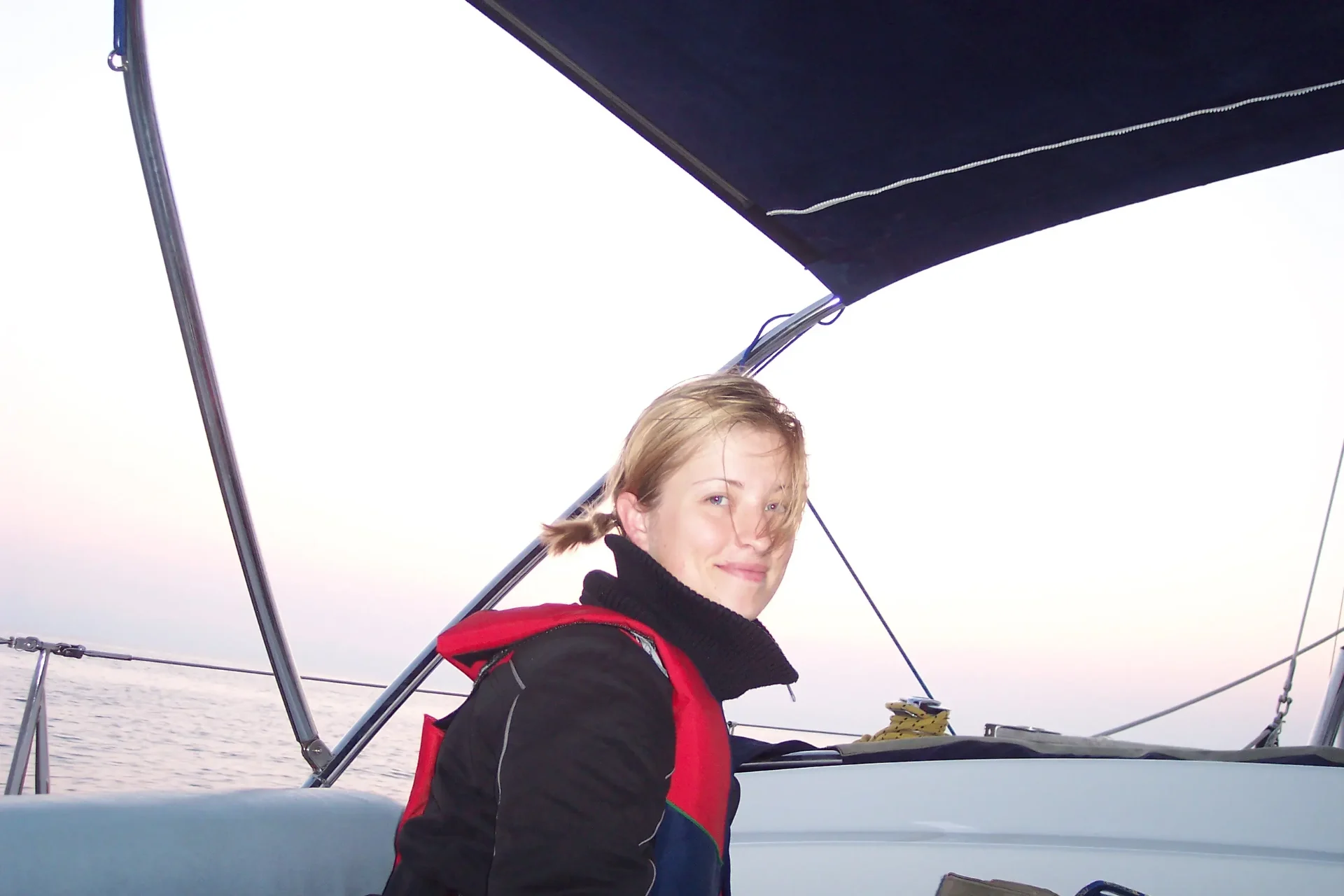
Seasickness was something I dealt with throughout my years at sea — particularly on Atlantic crossings and in service underway. I managed it quietly and got on with the work. The crew mentality suited me from the start — the lack of ceremony, the expectation that you show up and do what needs to be done, the way a good crew operates as a unit regardless of conditions. That was already how I operated. The sea just confirmed it.
I didn't study law to become a lawyer. I studied it because I wanted to know what the people in authority knew — and how to communicate like them. I'd watched capable, intelligent people go quiet the moment a conversation moved into legal or technical language, not because they weren't smart enough, but because the language had been designed to exclude them. I wanted to understand the system on its own terms, so it couldn't be used to silence me or the people around me.
What I found inside law confirmed what I'd always suspected. The gap between understanding and not understanding is rarely about intelligence. It is almost always about access. And plain language — precise, honest, clear — is one of the most powerful tools anyone can hold.
I started my maritime career in crew houses in Palma de Mallorca, working on a 30-metre sailing yacht for €1,200 a month, which felt like abundance. Over the years that followed I worked across Europe, the Caribbean, the South Pacific, and the United States — progressing from those early sailing yachts through to running the interior on 50+ metre vessels. It was a career built entirely from showing up, learning fast, and delivering.
I moved into yacht management, contributing to contract and risk discussions for some of the largest yachts in the industry — environments where compliance is non-negotiable, capital decisions are significant, and the cost of an assumption left undocumented can be severe.
What I became known for was clarity and getting it done.
I would read a contract until I understood it. I would ask the question others were quietly sitting on. I would take what sounded impenetrable and translate it into something leadership could actually use — without stripping out the precision, without pretending it was simpler than it was. Just making it accessible to the people who needed to act on it.
After more than a decade in the United States and at sea, I returned to Australia.
I was raising a newborn and a toddler, rebuilding professionally from a different hemisphere, working remotely in maritime law and charter operations, and figuring out how to build a stable future for my children. It was one of the most demanding seasons of my life.
Then COVID arrived — and with it an enforced stillness combined with internal panic and domestic chaos that most of us had never experienced. Two small children at home, work across international time zones, and a world that felt like it was unravelling. It became clear to me that understanding the digital economy was no longer optional — so I started learning it from the inside. Building websites. Studying how it actually worked by operating within it.
And in the middle of all of that, I encountered AI in a way that moved me profoundly. I watched someone close to me — someone who had always struggled to translate their ideas onto paper — paste forty pages of unformed writing into ChatGPT. What came back was coherent, structured, and precise. With tears in their eyes and in shock, they said: "That's exactly what I was trying to say." In that moment I understood AI's power as a great equaliser.
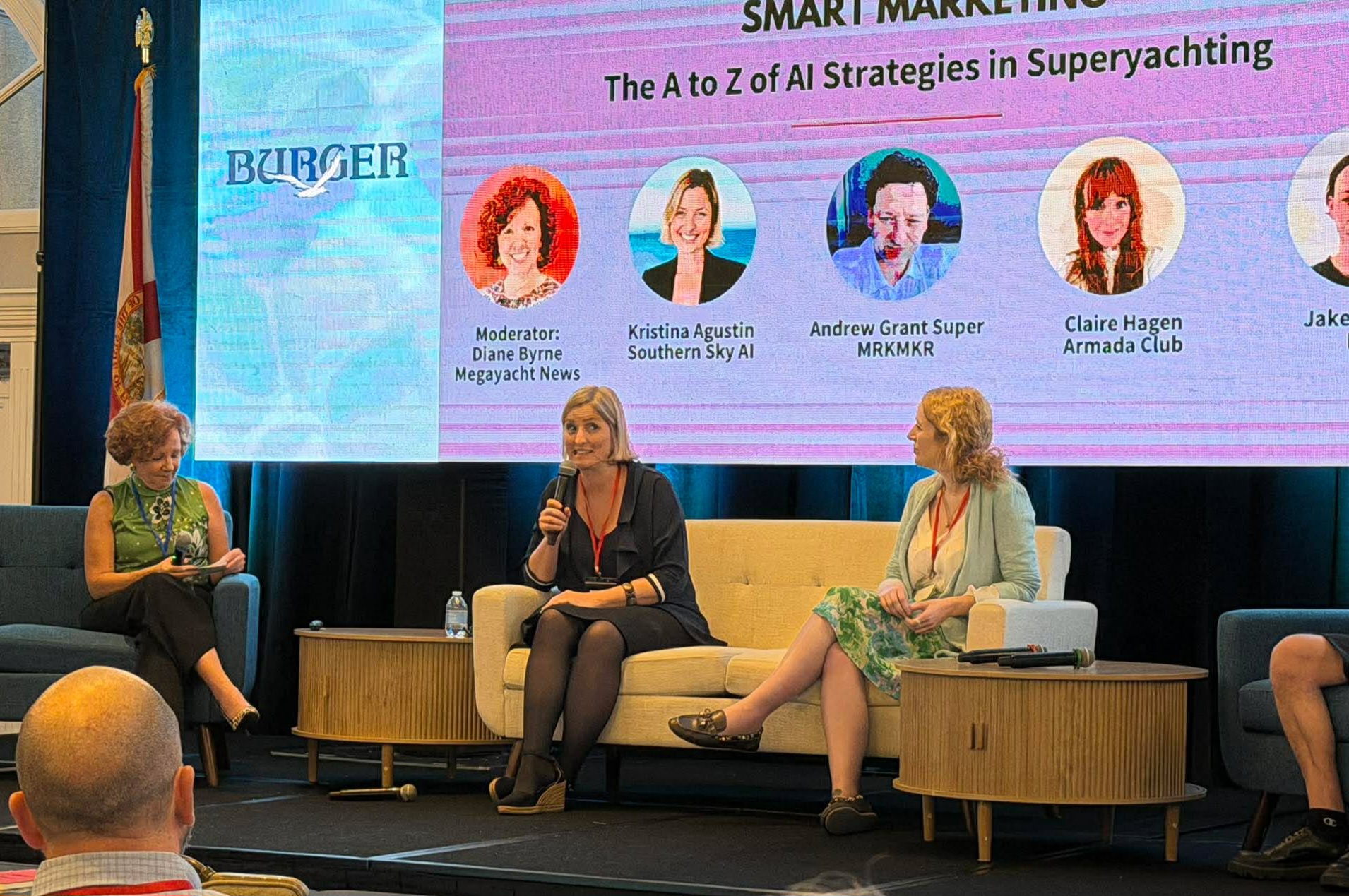
I believe artificial intelligence represents the most profound societal shift we will witness in our lifetimes.
What keeps me up at night — in the best and most urgent sense — is that the same dynamic I have watched play out across every high-consequence environment I have worked in is now playing out with AI at a scale none of us have seen before.
Capable, intelligent people are already deciding they are not technical enough to understand it. Leaders are going quiet in rooms where someone sounds more certain. Organisations are deferring decisions because the language doesn't feel like theirs yet.
And meanwhile, the gap is widening. What large corporations and big tech are already extracting from AI is compounding daily. The distance between those who understand it and those who feel locked out of it is growing faster than most people realise.
That is the pattern I have spent my career refusing to accept — and it is the pattern Southern Sky AI was built to interrupt.
I think about that as a professional. I think about it as a parent raising children inside this shift, watching them encounter a world that is changing faster than any of us can fully map. How we bring AI into our organisations, our industries, and our lives right now matters. The decisions being made in the next few years will shape the environments our children inherit.
I want to be useful at that level. To take what is genuinely complex, translate it without diluting it, and give the people responsible for decisions the clarity they need to make them well. To ensure that the leaders and organisations I work with are not just watching this shift happen — but are positioned to benefit from it. The opportunity that AI presents is real, and it should not be reserved for those who already know the words.
And if you've read this far, something in this probably resonates with you.
That's where the work begins.
Start at southernsky.ai or connect with me on LinkedIn.
Kristina Agustin
Founder & Principal Digital Navigator, Southern Sky AI