
Episode 2, Part 1: What is AI? — This episode explores the foundations of artificial intelligence, from its origins in the 1950s to the powerful generative and agentic systems transforming industries today.
A Brief History of AI
You may—or may not—be surprised to hear that AI, as we know it now, started as a concept back in the 1950s. It began with a question from Alan Turing's groundbreaking paper: "Can Machines Think?"
Alan Turing was a UK visionary, a war hero, and widely considered the father of modern computing and artificial intelligence. He helped crack Nazi codes during World War II and died tragically in 1954, at age 41. He was posthumously honoured and since 2021 appears on the UK £50 note.
His theory was simple but profound: if a machine could carry on a conversation indistinguishable from a human, we might reasonably say it could think. That idea became known as the Turing Test.
The Waves of AI Development
From there, the story of AI unfolded in waves:
- —1960s–70s: Rise of rule-based expert systems
- —AI Winters: Funding dried up and progress stalled
- —1990s–2000s: Machine learning reignited interest with breakthroughs like IBM's Deep Blue beating chess champion Gary Kasparov
- —2010s: Deep learning brought huge leaps in image and language processing
- —2020s: The era of generative and agentic AI—systems that not only create but also act
ChatGPT launched in 2022 and was the fastest tech adoption in history. And yes, AI has now passed the Turing Test.
What Actually Is AI?
Artificial intelligence is a broad term for any technology that does things we'd normally rely on human intelligence for—like spotting patterns, answering questions, or making decisions.
The Layers of AI
- —Machine Learning: Unlike traditional programs that follow set rules, machine learning analyses large amounts of data to find its own patterns and make decisions without needing to be explicitly told what to do
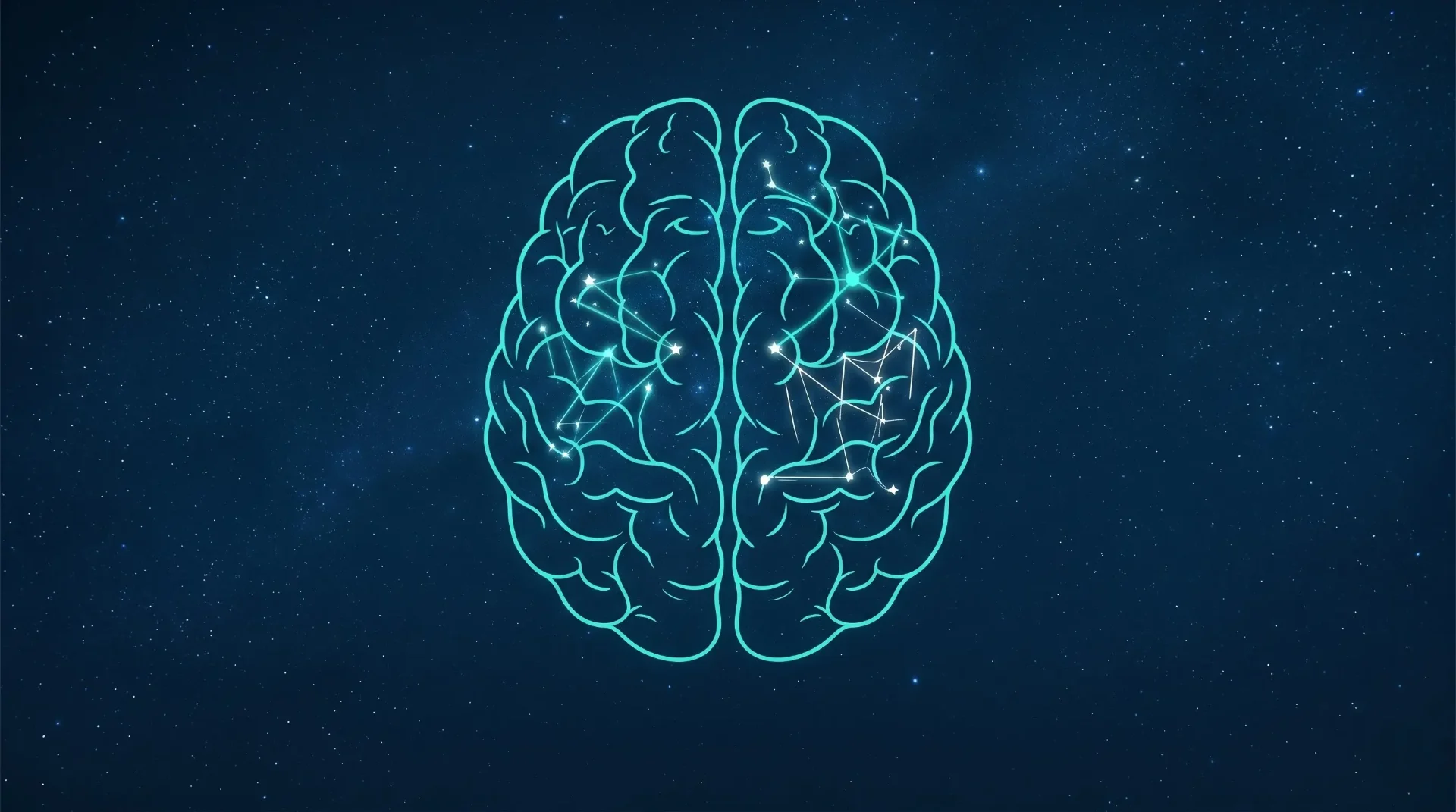
- —Deep Learning: A more advanced kind of machine learning that uses layered neural networks—the part of AI that reminds us of the human brain or constellations of stars in the night sky. Billions of connections lighting up together. The inspiration behind Southern Sky AI.
- —Generative AI: Right at the centre is the most explosive leap we've seen in recent years. It doesn't just recognise patterns—it creates, writes, draws, builds, and composes. This is the type of AI you're using when you talk to ChatGPT.
The Four AI Superpowers
1. Natural Language Processing (NLP)
NLP works by breaking down language into tokens—units of meaning—and predicting the next one based on probability, context, and patterns seen before. Large language models like GPT-4 don't just have a few decision points; they have billions of parameters.
GPT-4, for example, is trained on hundreds of billions of words, using more than a trillion parameters to understand and generate human-like language.
2. Computer Vision
AI's ability to understand and interpret images. To a machine, every image is just a grid of pixels made up of colour and light values. Computer vision models learn to recognise patterns in pixels—shapes, edges, textures—to determine what they're seeing.
Over time, the model doesn't just spot animals. It can identify defects on a ship's hull, monitor safety gear, or scan containers for pests.
3. Reinforcement Learning and Robotics
Unlike language or vision models that learn from large static datasets, reinforcement learning is dynamic—it's all about learning by doing. An AI interacts with its environment, takes an action, and receives feedback in the form of a reward or penalty.
This is the core mechanism behind autonomous systems: self-driving cars, warehouse robots, and even AI in gaming.
4. Agentic AI
The newest AI superpower and our emerging frontier. This isn't just about asking ChatGPT to summarise an email or write a recipe. Agentic AI can follow instructions, plan steps, and execute tasks autonomously without human input at every stage.
It's like having a digital teammate that doesn't just answer questions, but actually gets things done.